Why Choose Christian Relationship Counseling Nearby?
When your relationship feels stuck, it helps to talk with someone who understands both love and faith. That is why many couples search for Christian relationship counseling near me.

In this article 8 sections
When your relationship feels stuck, it helps to talk with someone who understands both love and faith. That is why many couples search for Christian relationship counseling near me. A local, faith-informed therapist can support you with care, respect, and proven tools. You do not have to carry this alone. If you are ready to take the next step, Find a licensed therapist near you.
If you are still deciding where to begin, a simple step-by-step guide to finding Christian relationship counseling near you can help you feel more confident about the next move.
Understanding Why Choose Christian Relationship Counseling Nearby?
Christian relationship counseling blends trusted therapy methods with your beliefs and values. Sessions focus on goals you set together, like better communication, healing trust, or healthy boundaries. You can also talk about prayer, forgiveness, and calling if you want. Curious what a first visit is like? Here’s what couples therapy looks like when you meet online or by video.
Faith and science can work side by side. Counselors use tools like communication coaching, solution-focused planning, and gentle habit change. These tools help couples calm heated moments and solve problems step by step. You can invite Scripture, prayer, or spiritual practices that matter to you. This does not replace proven care. It adds meaning. If you like practical explanations, these therapy techniques can help regulate emotions and reduce reactivity.
Many couples come in with stress, fear, or anger. You might worry you will say the wrong thing, or that hard topics will explode. That is normal. A counselor will slow things down and make the room feel safe. You will name feelings, needs, and hopes. If you are unsure what your body is telling you, these quick CBT tools can help you calm anxiety fast.If conflict tends to spike late at night, you may also benefit from simple ways to settle anxiety at night so you can sleep.
How It Works
- Search and reach out: Look for Christian relationship counseling near me. Read bios, note office hours, and ask if they serve couples, premarital, or marriage care.
- Free consult or brief call: Share your goals and ask about approach, faith integration, fees, and scheduling. See if the fit feels right. If cost is a barrier, low-cost and sliding-scale therapy options may help you start sooner.
- First session: The therapist sets ground rules for safety and respect. Each partner gets time to speak without interruption.
- Assessment and goals: You map strengths, pain points, and values. Together you set clear, small goals you can measure.
- Personalized plan: Your plan may include communication skills, conflict repair, forgiveness work, and spiritual practices you choose.
- Practice between sessions: You try short homework, like a 10-minute daily check-in, a prayer-pause before tough talks, or an empathy exercise. If you want a ready-to-use structure, these three marriage counseling tips are simple and effective.
- Review and adjust: You track what helps, what does not, and fine-tune the plan. The goal is steady, practical progress.
- Graduation and follow-ups: When goals are met, you can space out sessions or schedule boosters during big life changes.
Who It Helps & Benefits
Christian relationship counseling supports engaged couples, newlyweds, long-time partners, and blended families. It helps parents learn to communicate across co-parenting stress. It serves those who want both practical tools and spiritual wisdom. Over time, many couples notice more patience, clearer roles, and deeper closeness. They also report feeling more hopeful about the future.
If stress is taking over your home rhythm, this practical stress-management guide can support calmer communication day to day.
This care also helps when one partner struggles with mood, motivation, or thought patterns that affect the relationship. A counselor may teach thinking and behavior tools to reduce stuck cycles. These tools can support both partners, even if only one is feeling low. Many learn simple steps to pause, reframe, and respond with care. If you want support options, here are online counseling paths for depression support.
Another benefit is shared language. You learn phrases and routines that make hard talks safer. You may set a weekly check-in, a repair plan after fights, and a way to make decisions without power struggles. You get a map for life seasons-dating, engagement, marriage, parenting, illness, and change. Your faith can guide your choices, while skills keep talks calm and kind.If certain seasons feel harder emotionally as a couple, these couples strategies for seasonal depression can be a helpful complement.
Real-Life Example
Maya and Daniel loved each other but argued about time and money. Maya felt alone with the kids. Daniel felt unseen for working long hours. Their church friends cared, but the advice felt mixed. They searched for Christian relationship counseling near me and found a local therapist.
In session, they learned to slow down, breathe, and say, I feel and I need statements. They added a prayer-pause before hard talks. It felt awkward at first, but the room felt safer. If you want an easy way to practice this at home, a 2-minute breathing reset can bring your body down fast.
They made a simple plan. Daniel would send a quick text when running late. Maya would save non-urgent issues for the weekly check-in. They set a small shared budget for fun, and took a walk together twice a week. After a month, the arguments dropped. They still had stress, but they had tools. More peace at home made them more present at church, with friends, and with their kids. The skills stuck because they practiced a little each day.
Myths vs Facts
- Myth: Christian counseling is only prayer.
Fact: Sessions blend proven therapy skills with faith, at your comfort level. - Myth: Couples must be on the same page spiritually.
Fact: Respectful care meets each person where they are. - Myth: Therapy takes years.
Fact: Many couples see progress with focused goals and steady practice.
If you’re skeptical about outcomes, this breakdown of whether online therapy works (and which platforms work best) can help set expectations.
Practical Tools You Can Try
- Prayer-pause: Before a tough talk, pause for 30 seconds. Breathe in for 4, out for 6. Ask for calm, wisdom, and kindness. If you want a quick structure, try this 2-minute breathing meditation for anxiety.
- Weekly check-in: 20 minutes on the calendar. Share highs, lows, needs, and one action for the week. Keep it calm and brief. If you want a simple script, use these couples check-in tips that keep talks from turning into fights.
- The 24-hour repair: After a fight, circle back within a day. Own your part, name one need, and plan a next step together. If repair conversations feel scary, these practical marriage counseling tips can help you start gently.
- Gentle start-up: Begin with I feel and I need instead of You always or You never. Stay on one topic. If anxiety hijacks the moment, these CBT strategies can help you stay grounded and respond more clearly.
- Gratitude and service: Each day, name one thing you value about your partner. Do one small act that lightens their load. If your relationship has felt emotionally flat, therapy approaches that stabilize mood can support connection.
When to Seek Professional Help
Consider counseling if conversations often turn harsh, if trust feels broken, or if you feel stuck in the same cycle. Seek help if stress, grief, or life changes strain your bond. You deserve care that honors both your relationship and your beliefs. If you want compassionate support, connect with a Christian relationship therapist near you.If anxiety is a big driver of conflict, learning how to find online anxiety counseling may also help you get the right support faster.
Conclusion
Choosing Christian relationship counseling nearby gives you a safe, respectful space to grow. You will get clear tools and a plan that aligns with your faith and goals. Small steps can lead to big change. Your love matters, and help is close to home. If you are ready to begin, schedule your first session with a licensed therapist.
Keep reading
More in Relationship issues
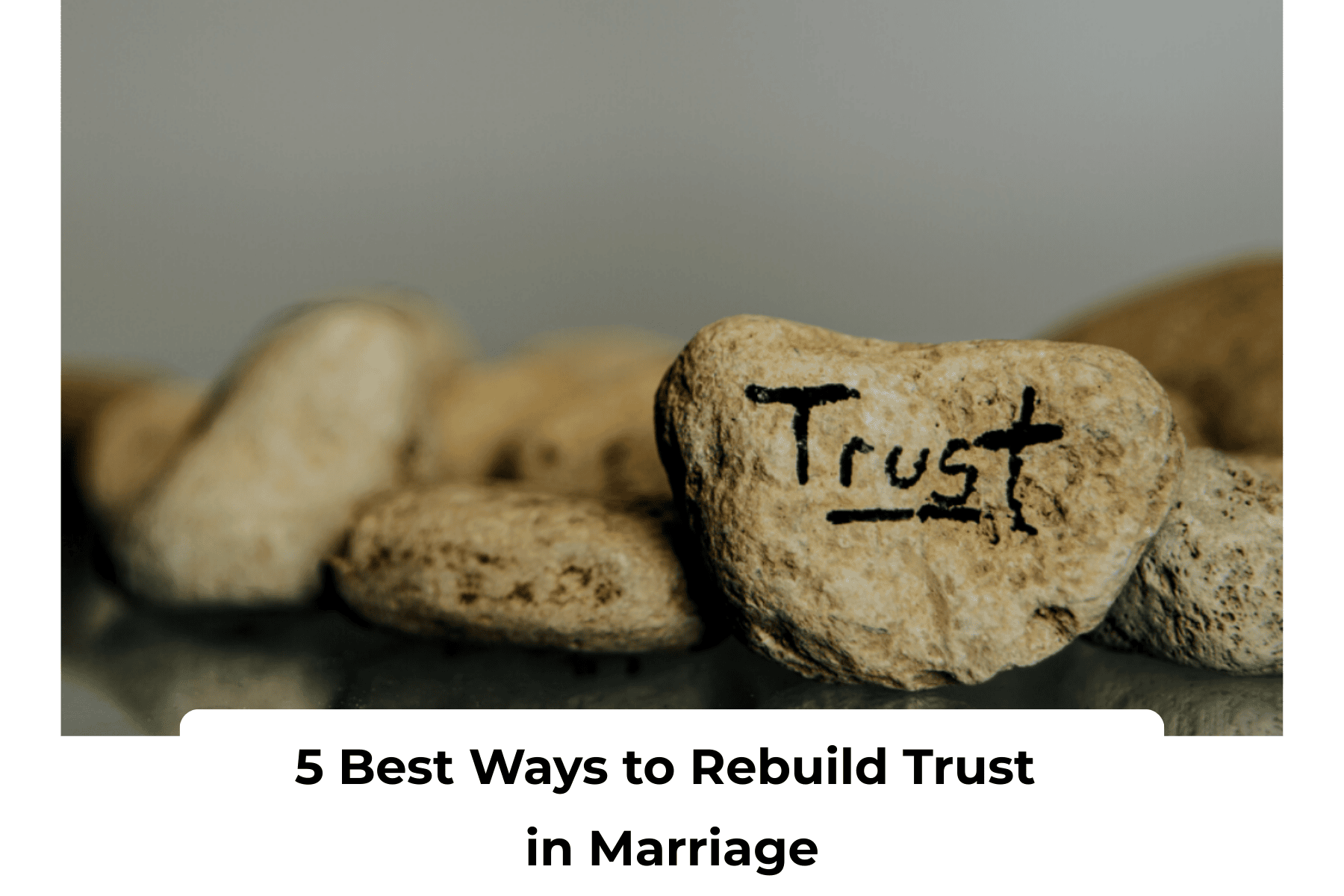
5 Best Ways to Rebuild Trust in Marriage
Trust can crack quickly, but rebuilding trust in marriage is possible. You may feel hurt, angry, or numb. You may also feel unsure about what to do next. You are not alone. Many couples heal after lies, secrets, or betrayal.
Why Rebuild Trust in Marriage Counseling?
When trust breaks in a marriage, everything can feel shaky. You may question memories, promises, or even yourself. The good news is that you can rebuild trust in marriage counseling.
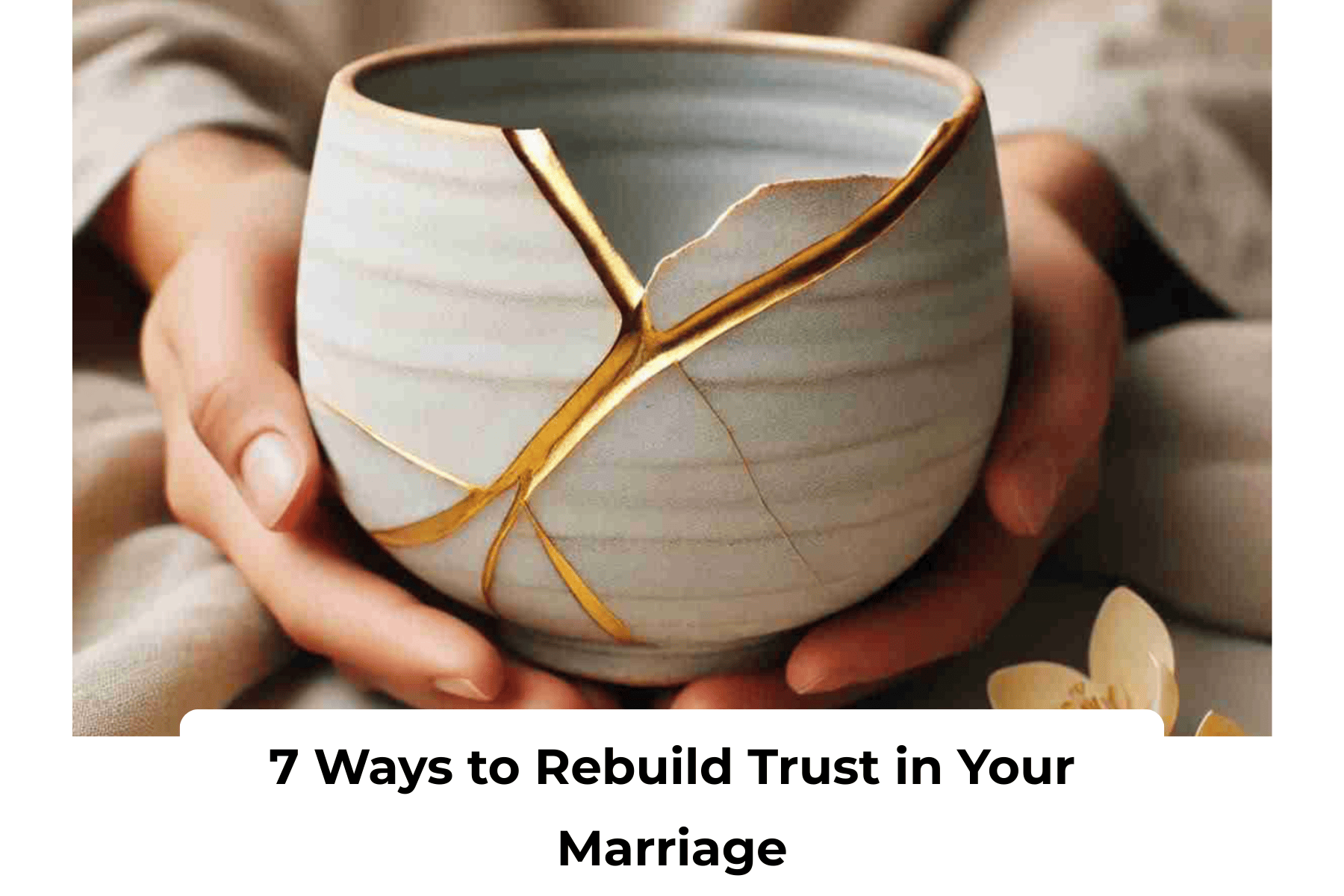
7 Ways to Rebuild Trust in Your Marriage
Trust can break in a moment and take time to heal. If you are hurting, you are not alone. Many couples ask how to rebuild trust in your marriage after lies, withdrawal, or a painful betrayal. The path is real, and it is possible.