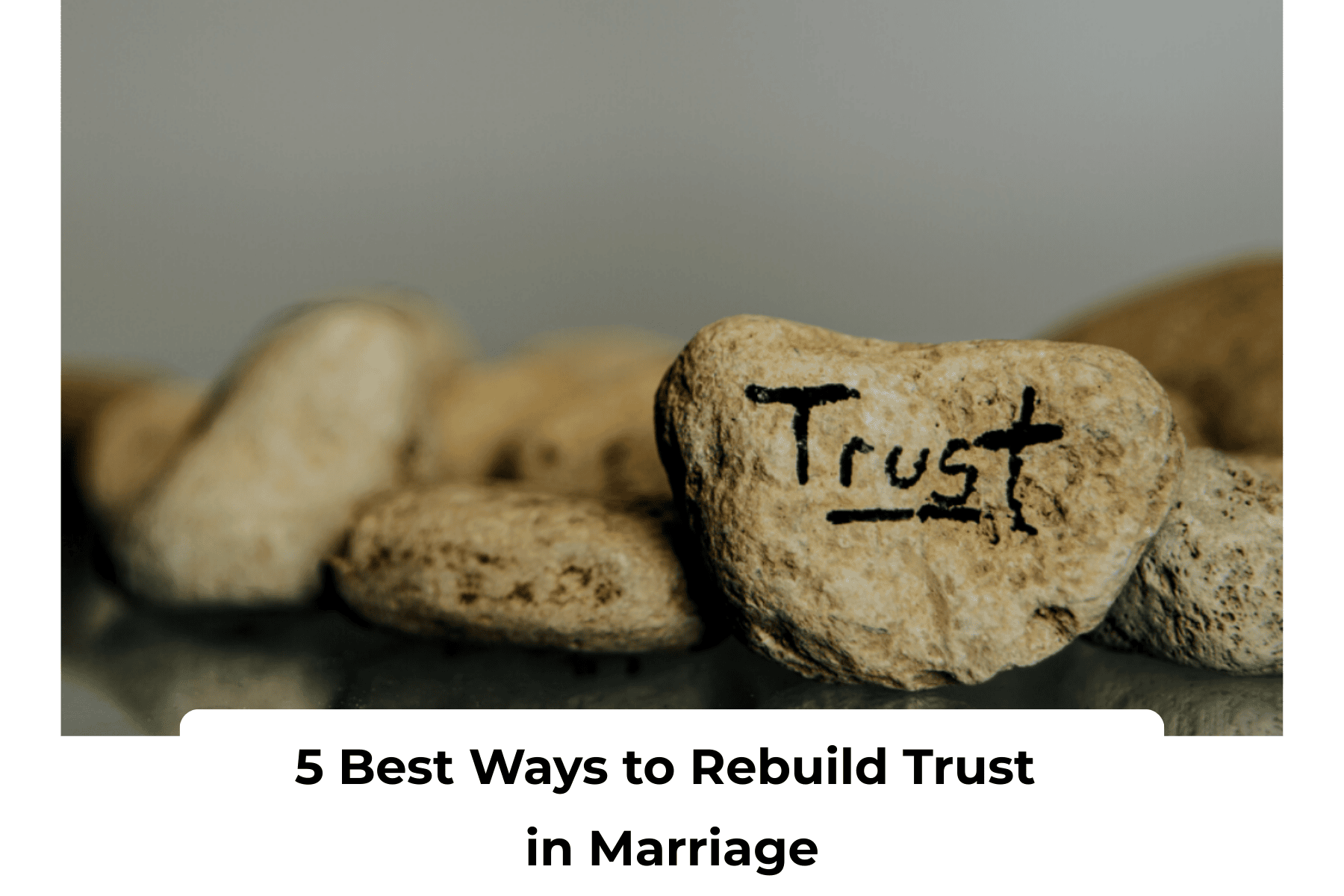
5 Best Ways to Rebuild Trust in Marriage
Trust can crack quickly, but rebuilding trust in marriage is possible. You may feel hurt, angry, or numb. You may also feel unsure about what to do next. You are not alone. Many couples heal after lies, secrets, or betrayal.
In this article 8 sections
Trust can crack quickly, but rebuilding trust in marriage is possible. You may feel hurt, angry, or numb. You may also feel unsure about what to do next. You are not alone. Many couples heal after lies, secrets, or betrayal. With time, effort, and support, your bond can grow stronger than before. A skilled guide can help you and your partner take clear steps forward. If you are ready to explore counseling, even just to ask questions, Find a licensed therapist near you.
If you’d like a longer roadmap beyond these five steps, a counselor-guided plan to rebuild trust in your marriage can help you stay consistent when emotions run high.
Understanding 5 Best Ways to Rebuild Trust in Marriage
Trust is feeling safe with each other. It grows when words and actions match. It fades when promises are broken, details are hidden, or needs are ignored. When trust breaks, both partners suffer. The hurt partner often wants answers and steady proof of change. The partner who broke trust may feel shame, fear, or pressure. Both can feel stuck. Rebuilding trust in marriage asks for honesty, patience, and new habits that last.
After a breach, your nervous system may stay on high alert. Sleep gets hard. You might replay events or scan for clues. These reactions are normal. They are your body trying to protect you after a painful shock. When nighttime is the hardest part, 5 ways to get back to sleep when anxiety hits at night and quick coping skills you can use in 5 minutes can help you stabilize while you repair your relationship.
When your body feels flooded during hard conversations, a fast reset matters. Try a 2-minute breathing meditation for anxiety before you restart the talk.
Repair is not only about apologies. It is a process with structure and goals. Couples counseling offers a safe place to talk, slow down conflict, and plan concrete actions. A first step is understanding how therapy sessions work, so you know what to expect and how progress is measured. With guidance, you can build skills, set boundaries, and create a shared roadmap back to trust.
If you’re wondering whether counseling can work remotely, what virtual marriage counseling actually looks like can make the process feel clearer and less intimidating.
How It Works
- Start with a joint assessment. Your counselor learns your story from both sides. You share the breach, patterns that led up to it, and what each partner needs to feel safe. You set clear goals that you both can see and understand. If you want the “why” behind the process, why rebuilding trust in marriage counseling works is a helpful overview.
- Build safety in the room. The therapist slows fast fights and sets ground rules. You practice taking turns, using calm voices, and checking for understanding. Safety allows honest talks without shutting down or lashing out. If you need a simple starting point, 3 essential marriage counseling tips for couples can help you set better rules for hard talks.
- Create a transparency plan. You decide together what openness looks like now. This can include sharing schedules, devices, or finances for a time. The point is not control. The point is rebuilding reliability through consistent actions. If you want a deeper “step-by-step,” 7 ways to rebuild trust in your marriage expands on exactly how couples track progress.
- Repair with accountability. The partner who broke trust learns to take full ownership without defensiveness. You use a simple repair script: “What I did,” “How it hurt you,” and “What I will do to prevent it.” You practice it until it feels real and steady.
- Learn conflict and communication skills. You replace blame with “I” statements. You learn to pause when flooded, then return to finish the talk. You make requests instead of demands. You track wins, however small. When anxiety takes over your thoughts mid-conflict, 3 CBT tips to reduce anxiety quickly and practical CBT strategies for anxious spirals can help you slow the loop and speak more clearly.
- Plan for triggers. Triggers will happen. You identify when they appear and what each partner can do. You set a code word for breaks. You agree on how to reconnect after a hard moment, so you do not spiral. If you also feel stress spilling into your relationship, a practical stress management guide you can start today can support calmer repair talks.
- Measure progress and adjust. You review what is working and what is not. You celebrate concrete changes. You update the plan as trust grows. Over time, you move from constant repair to steady connection.
Who It Helps & Benefits
Marriage counseling for trust issues supports couples facing affairs, secret spending, hidden addictions, lies about work or friends, or long patterns of broken promises. Counseling offers a map out of overwhelm.
If this breach has triggered panic, rumination, or constant “scanning,” you may benefit from individual support too-especially if you’re thinking, “I can’t calm down even when nothing is happening.” In that case, the best online anxiety counselors near you and how to find online anxiety counseling near you can be useful alongside couples work.
This work also helps when only one partner wants counseling at first. Early sessions can focus on coping skills, emotion regulation, and values. Many couples also carry stress, low mood, or negative thinking loops after a breach. If sadness is part of the picture, online counseling options for depression support and teletherapy options you can compare for depression can help you find the right level of care.
Benefits include clearer communication, fewer blowups, and a plan you both believe in. You will know exactly how to handle triggers, what honesty looks like now, and how to track progress. Many couples also report stronger closeness and better teamwork over time.
If your relationship strain spikes during winter months, ways couples can manage seasonal depression together may also support steadier connection while you rebuild.For couples who prefer faith-aligned care, how to find Christian relationship counseling near you can be a strong add-on resource.
Real-Life Example
Alex and Jordan had been married nine years. A few late-night texts led to a painful discovery. After the shock, every small change felt like a threat. Jordan checked Alex’s phone. Alex felt watched and pulled away. They were in a loop-fear and shame on both sides. They tried to fix it on their own, but talks ended in tears or silence. They were exhausted and did not trust themselves to have a calm conversation.
In counseling, they set three goals: end secrecy, rebuild emotional safety, and add weekly connection time. They created a transparency plan with shared calendars and a “24-hour honesty window” for any slip in honesty. They learned to pause when flooded and to return using a short script. Over eight weeks, the fights got shorter. Jordan’s checks dropped from daily to once a week, then to planned check-ins. Alex stopped hiding small things and showed follow-through. They were not “done,” but they both could say, “I see change I can count on.” That feeling was new-and it felt like hope.
Myths vs Facts
- Myth: Trust can be rebuilt only with time.
Fact: Time helps, but trust returns because of consistent, visible actions over time. - Myth: The hurt partner must “just move on.”
Fact: Healing needs space for anger, grief, and questions, plus clear repair steps that reduce fear. - Myth: Counseling means the relationship is broken.
Fact: Counseling is a sign you value the marriage and want expert support to repair it well.
Practical Tools You Can Try
- Way 1: Set a “24-hour honesty window.” If you forget or hide a detail, share it within one day without being asked. This turns slips into chances to repair trust. If you want a fuller framework, 7 ways to rebuild trust in your marriage complements this rule well.
- Way 2: Daily 10-minute check-in. Use three prompts: “One feeling I had today,” “One thing I appreciated,” and “One thing I need tomorrow.” Keep it brief and kind. If you need more structure for talking without spiraling, 3 essential marriage counseling tips for couples can help you keep the check-in safe and productive.
- Way 3: Build a transparency plan. Agree on what to share for a set period-locations, schedules, finances, or messages. Review monthly and loosen as trust grows. If you’re deciding whether to do this remotely, why choose virtual marriage counseling for couples is a helpful companion read.
- Way 4: Use the apology formula. Say what you did, how it hurt, and what you will do differently. No excuses. Ask, “Did I miss anything?” and listen fully. When you want a clean explanation of what counseling is building toward, why rebuilding trust in marriage counseling works can reinforce the “why” behind this step.
- Way 5: Make “trust deposits.” Do small, reliable acts daily-be on time, follow through, and check in when plans change. Small deposits add up fast. If stress keeps sabotaging consistency, what stress management counseling is and why adults seek stress management counseling can help you steady the baseline.
If your body feels activated before a repair talk, do a 2-minute breathing meditation for anxiety first-then restart the conversation with a calmer tone.
When to Seek Professional Help
Get help when fights repeat, secrets continue, triggers feel constant, or you cannot agree on what repair should look like. If either partner feels unsafe or unsure how to set boundaries, expert guidance can protect both of you while you heal. You do not have to know the perfect words or the perfect plan. You only need a willingness to try. Take the first step and schedule marriage counseling with a licensed therapist. If you’re worried about cost, therapy without insurance: low-cost and sliding-scale options can help you explore support that fits your budget.
If you’re choosing online care, does online therapy work in 2026 (and which platform is best) can help you compare options.
Conclusion
Rebuilding trust in marriage is hard, but it is also hopeful work. With honesty, structure, and steady support, many couples move from crisis to closeness. You deserve a plan and a partner in the process.
If you are ready to start, even with small steps, find a trusted marriage counselorand begin today.
Keep reading
More in Relationship issues
Why Rebuild Trust in Marriage Counseling?
When trust breaks in a marriage, everything can feel shaky. You may question memories, promises, or even yourself. The good news is that you can rebuild trust in marriage counseling.
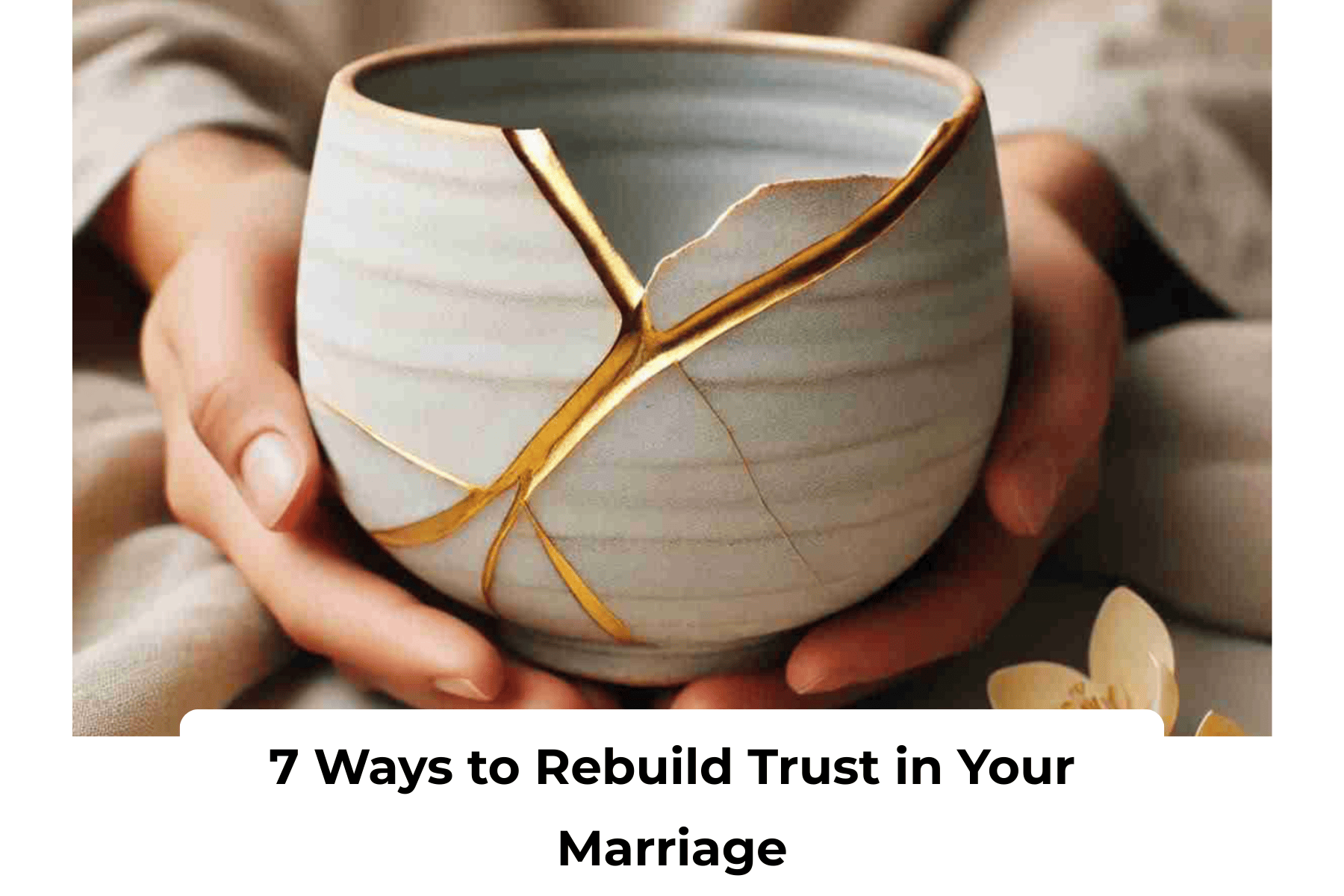
7 Ways to Rebuild Trust in Your Marriage
Trust can break in a moment and take time to heal. If you are hurting, you are not alone. Many couples ask how to rebuild trust in your marriage after lies, withdrawal, or a painful betrayal. The path is real, and it is possible.

Why Choose Christian Relationship Counseling Nearby?
When your relationship feels stuck, it helps to talk with someone who understands both love and faith. That is why many couples search for Christian relationship counseling near me.