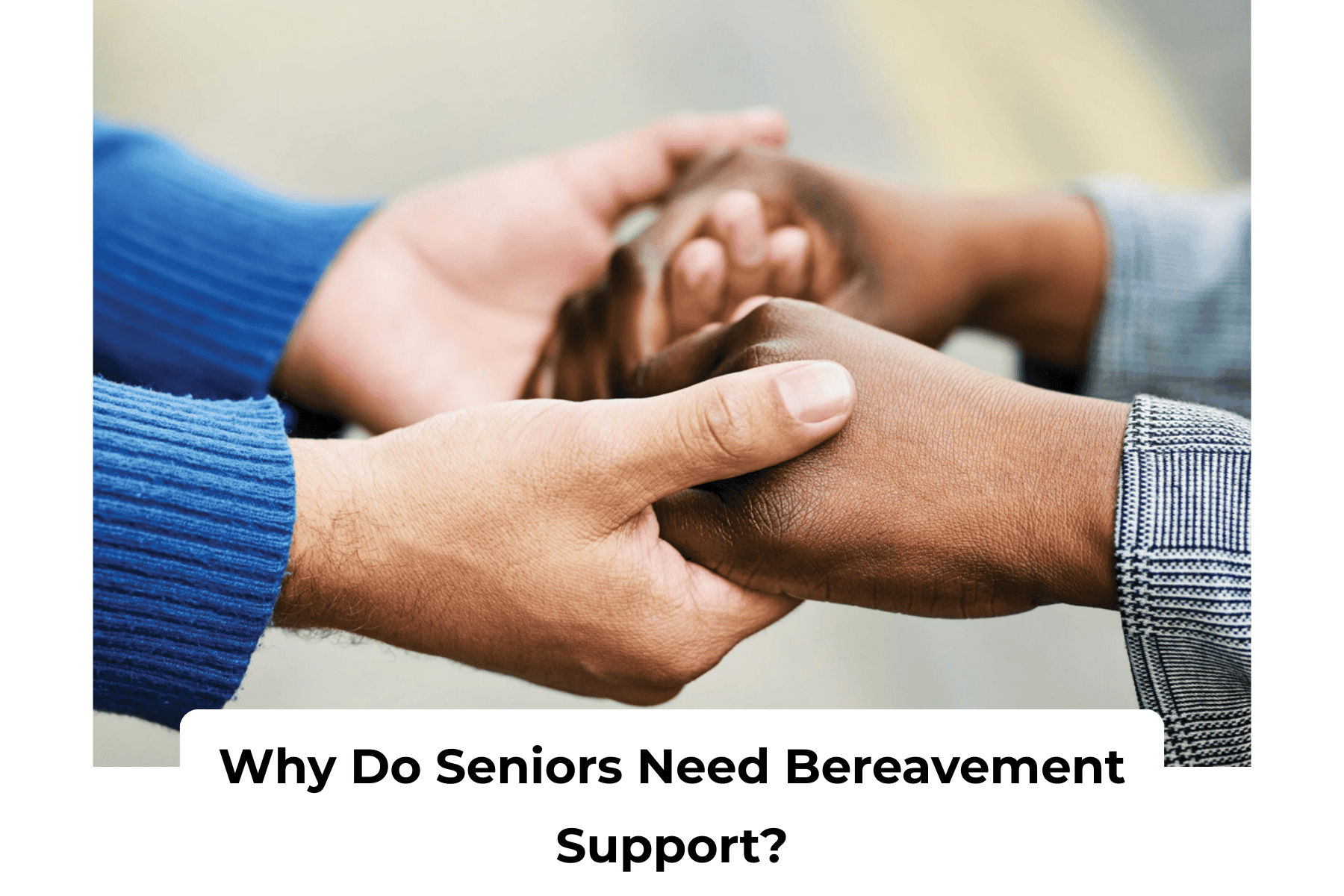
Why Do Seniors Need Bereavement Support?
Loss in later life can feel heavy and lonely. Partners, siblings, and lifelong friends may pass within a short time. Routines change, health needs shift, and support circles shrink.
In this article 8 sections
Loss in later life can feel heavy and lonely. Partners, siblings, and lifelong friends may pass within a short time. Routines change, health needs shift, and support circles shrink.
Bereavement support for seniors gives a safe place to share stories, learn coping skills, and find hope again. If you or someone you love is grieving, help is close. Find a licensed therapist near you.
Understanding Bereavement Support for Seniors
Bereavement support is care for people who are grieving a loss. For seniors, this often covers the death of a spouse, sibling, close friend, or even a beloved pet. It can be one-on-one therapy, group meetings, or family sessions. The goal is not to erase grief. The goal is to help you carry it, make meaning, and reconnect with life at your own pace. Over time, your brain and body can adapt to loss. Therapy can guide that healing process by teaching tools that fit your stage of life and your values. To learn more about the science of healing, explore how gentle talk and steady practice can shape your mind in how therapy changes your brain.
Grief is not a straight line. It can come in waves. Some days are calm; others hit harder. Seniors may also face other stressors: retirement changes, health issues, or fewer daily connections. Bereavement support helps you name your feelings and take small steps. You can learn to sleep better, set a simple routine, and build healthy ways to remember the person you love. You can also learn what to say to friends or family when words are hard. If you are curious about what meeting a counselor is like, see a clear overview of how therapy sessions work.
Many older adults feel pressure to be “strong.” They may hide tears or avoid talking about the person they lost. Yet silence can make pain feel bigger. Support invites sharing at your pace. It honors your history and your culture. It also respects privacy and choice. You decide what to share, when to share, and how to remember. This gentle, respectful approach makes healing more likely.
How It Works
- Warm welcome and history: You share your story, your relationship, and your main concerns.
- Goals that fit you: Together, you set simple goals, like sleeping better or easing daily sadness.
- Education about grief: Learn what normal grief looks like and why it can feel different for seniors.
- Coping skill practice: Try breathing, grounding, and gentle routines tailored to your energy level.
- Memory work: Create rituals to honor your loved one, like a weekly walk or a memory journal.
- Support circle mapping: Identify safe people and places that help you feel connected.
- Life tasks planning: Break chores, bills, or paperwork into small, doable steps.
- Check-ins and progress: Review what helps, adjust tools, and celebrate small wins.
- Future wellness plan: Build a plan to manage holidays, anniversaries, and tough dates.
Who It Helps & Benefits
Bereavement support helps widows, widowers, and older adults who have lost siblings, friends, or adult children. It also supports caregivers who grieve the end of a long caregiving role.
Benefits include steadier sleep, more energy, and new ways to connect with family and community. Many people also notice a calmer mind over time, as skills build into helpful habits with long-term benefits of therapy.
Support can ease deep sadness and social withdrawal. Some seniors notice signs that look like depression, such as low mood or loss of interest in favorite activities. A counselor may use simple, step-by-step tools from CBT for depression to rebuild daily structure. This might include scheduling short walks, a weekly call with a friend, or a hobby for gentle joy. Small steps add up.
Anxiety can rise after loss. Worries about health, safety, or money can feel louder. You might feel jumpy, tense, or like your chest is tight. Support helps you name these signs and practice grounding skills. To better understand nervous system cues, you can read about what anxiety feels like. The more you know, the more you can respond with care instead of fear.
Real-Life Example
Martha, age 76, lost her husband of 52 years. Her home felt too quiet. She skipped meals and stayed in bed until noon. She turned down calls from her church group because she did not want to cry in front of anyone. In her first sessions, Martha shared stories about their early days, his laugh, and the garden they made together. Her counselor listened and helped her name the loneliness, sadness, and uncertainty she felt.
With support, Martha set two small goals: eat breakfast by 9 a.m. and walk to the mailbox each day. She started a memory journal, writing one beloved story each evening. Her counselor taught a simple breathing routine and helped her plan for Sunday church. Over six weeks, Martha slept better. She went back to church with a friend and joined a grief group for widows. She still misses her husband every day, but she feels less alone and more connected to her values and community.
Myths vs Facts
- Myth: Grief should be over in a few months.
Fact: There is no set timeline; healing is personal, especially in later life. - Myth: Talking about the loss makes it worse.
Fact: Sharing in a safe space often lowers pain and helps you feel less isolated. - Myth: If I need help, I am weak.
Fact: Seeking support is a sign of wisdom and care for yourself and your family.
Practical Tools You Can Try
- Breathing box: Inhale for a count of 4, hold 4, exhale 4, hold 4. Repeat for two minutes to calm your system.
- Memory moments: Set a daily time to light a candle, view a photo, or write a short note to your loved one.
- Gentle routine: Anchor your day with three basics-get dressed, eat breakfast, and step outside for light and air.
- Connection map: List three people you can call. Schedule one short chat each week, even if only for five minutes.
- Soft movement: Try chair stretches or a slow walk. Moving your body can ease tension and improve sleep.
When to Seek Professional Help
Consider professional support if grief makes daily life very hard for more than a few weeks, if sleep or appetite stays poor, or if you feel stuck and alone. You deserve care that fits your age, culture, faith, and values. A trained counselor can guide you gently and at your pace. If you are ready to talk with someone who understands, connect with a bereavement-informed therapist.
Conclusion
Grief is love with nowhere to go. Bereavement support for seniors helps that love find new paths-through memories, rituals, and small daily steps. You do not have to carry this weight alone. With steady, compassionate guidance, it is possible to sleep more, worry less, and feel connected again. When you are ready, take the next step toward gentle healing and find a licensed therapist near you today.
Keep reading
More in Notes

10 Proven Therapy Strategies to Boost Teen Confidence
Every teen deserves to feel capable, brave, and proud of who they are. If your child doubts themselves or avoids challenges, these 10 proven therapy strategies to boost teen confidence can help.

Confidence-Building Therapy Strategies for Teens
Watching your teen doubt themselves can be tough. School, friends, and social media can make confidence rise and fall each day. The good news is that confidence is a skill. It can grow with the right support.
Practical Counseling Techniques to Build Self-Esteem
If you are feeling stuck, small, or unsure of your worth, you are not alone. Many people struggle to see their strengths, even when others can.