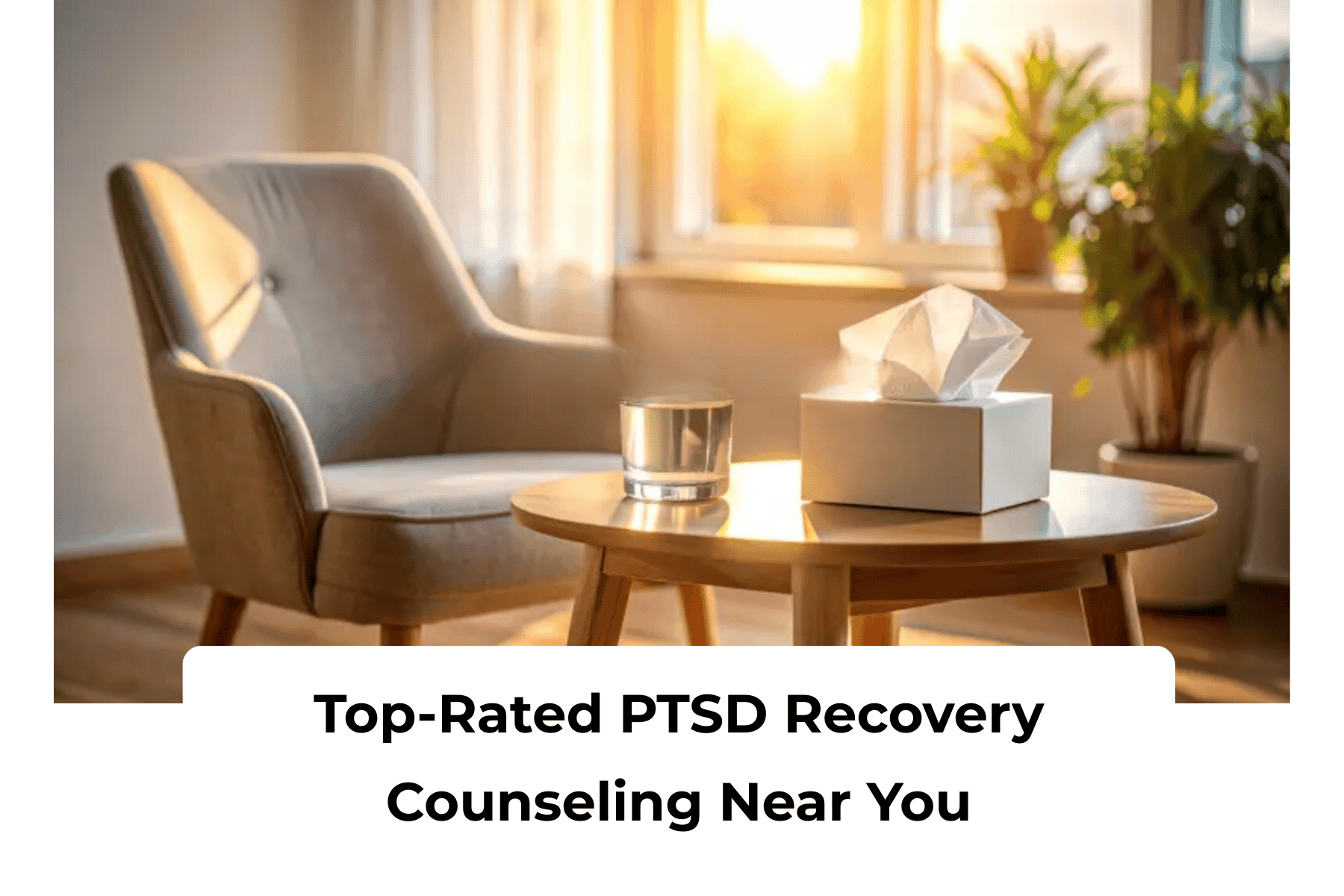
Top-Rated PTSD Recovery Counseling Near You
If you or someone you love is carrying the weight of trauma, you are not alone. Many people search for PTSD recovery counseling near you after a tough event, or when old memories start to feel too heavy.
In this article 8 sections
If you or someone you love is carrying the weight of trauma, you are not alone. Many people search for PTSD recovery counseling near you after a tough event, or when old memories start to feel too heavy. The good news is that healing is possible, and support is close by. With the right therapist, you can learn skills to calm your body, quiet your mind, and rebuild trust. Ready to take the first step today? Find a licensed therapist near you.
Understanding Top-Rated PTSD Recovery Counseling Near You
Trauma can come from many places: accidents, violence, natural disasters, medical events, or ongoing stress. The body can react with trouble sleeping, jumpiness, or strong emotions.
For nights that spiral, try a middle-of-the-night reset or five-minute night skills.
Counseling helps you understand these reactions and learn tools to feel safer. Many people notice that trauma can look like what anxiety feels like, but counseling works at your pace so you are not overwhelmed.
PTSD recovery counseling is not about reliving the worst moments. It is about building safety, control, and choice. Early sessions focus on comfort, trust, and goals. You and your therapist decide what to share, when to share it, and how to stay grounded. If you want a simple picture of the process, see what the first hour looks like; if you’ll meet remotely, pick a format that sticks.
Different methods can support healing. Many therapists use skills that teach you to notice triggers and reduce their power. You may learn grounding, breathing, and gentle body-based tools. Try a two-minute calm practice to start. Some counselors use CBT to change unhelpful thoughts. Here’s a CBT toolkit you can try and how therapy changes your brain. Others may use EMDR or other trauma-focused methods. The approach is tailored to you, your culture, and your story.
How It Works
- Brief consultation: You share what brings you in and what you hope to change. The therapist explains their approach and answers questions. To compare options, use a compare-near-you guide and ask about budget-friendly counseling.
- Safety and planning: Together you set goals and learn calming skills so sessions feel steady and predictable. Build a steady-mood roadmap.
- Mapping triggers: You identify cues, body signals, and situations that set off stress. This helps you prepare and respond with choice. Keep tiny steps that snowball so progress sticks.
- Skills first: You practice grounding, breathing, and other tools to lower distress before exploring deeper memories. Add three quick reframe moves and a step-by-step CBT plan.
- Gentle processing: When ready, you talk through parts of your story in a way that feels safe. You guide the pace. You can pause at any time. If you prefer remote sessions, check a video vs phone cheat sheet.
- Rewriting the story: You learn to see the event as something that happened to you, not as who you are. New meaning and self-trust grow. A menu of online options can support between sessions.
- Practice in real life: You try small, doable steps outside sessions. You celebrate wins and adjust plans as needed. Use an anxiety-first search guide to line up extra support when needed.
- Maintenance and prevention: You create a plan to keep gains, handle future stress, and know when to check back in. Follow a start-to-finish checklist so resources are ready.)Connect with a trauma-informed therapist.
Who It Helps & Benefits
PTSD recovery counseling helps adults, teens, and families touched by trauma. This includes survivors of accidents, assault, disaster, medical events, or childhood adversity. It also supports veterans, first responders, and healthcare workers. Many people face both trauma and low mood or worry. A therapist can blend trauma care with approaches like CBT so your whole self gets support.
Benefits build over time. People often report better sleep, fewer nightmares, and more calm in the body. Focus and memory can improve when the brain is not stuck in alarm mode. Relationships can feel safer as trust returns. Explore long-haul benefits from counseling and what stress-management covers if you’re curious about the bigger picture. These changes happen because therapy can reshape patterns in the brain. Dig into evidence-backed techniques and top mood tools.
Family members can also gain tools. You may learn how to support a loved one without pushing too hard. Couples can rebuild connection and learn how to talk about tough topics. Parents can help kids learn language for feelings and safety. If winter tends to make things heavier, try a couples winter plan, a winter playbook for two, or ten doable steps for two. When everyone has skills, the home becomes a steadier place to heal.
Real-Life Example
After a serious car crash, Maya started avoiding driving. She startled at every honk and replayed the accident when she tried to sleep. She felt weak for not “getting over it.” In counseling, she first learned ways to calm her body, like slow breathing and grounding. A quick 120-second breath reset helped before bedtime. She practiced noticing when her shoulders tensed and how to soften them. These small wins helped her feel hope and control.
When Maya felt ready, she and her therapist gently explored the memory, a little at a time. She used grounding to stay present. Over weeks, the memory stopped feeling like it was happening right now. Her sleep improved, and she started driving on short, quiet roads. Later, she reflected on the gains: more patience at work, more laughter with friends, and a steadier sense of self. If cost is a barrier, look into smart ways to afford care.
Myths vs Facts
Myth: “Therapy will make me relive my trauma.”
Fact: Good trauma therapy builds safety first and moves at your pace.
Myth: “Only combat veterans have PTSD.”
Fact: Any severe or repeated stress can lead to trauma symptoms.
Myth: “I should handle this alone.”
Fact: Connection is key to healing. Support speeds recovery and protects mental health. If you’re not sure which session style fits, use video vs phone vs chat.
Practical Tools You Can Try
- Five-senses grounding: Name 5 things you see, 4 you feel, 3 you hear, 2 you smell, 1 you taste.
- Box breathing: Inhale for 4, hold 4, exhale 4, hold 4. Repeat for one minute. (Pair it with a two-minute calm practice for bedtime.)
- Release tension: Press your feet into the floor, then relax. Shrug shoulders up, then drop them.
- Safe place imagery: Picture a calm scene with rich detail. Add sounds, colors, textures.
- Trigger plan: Write one early sign you notice, one tool that helps, and one person you can text.
When to Seek Professional Help
Consider counseling if memories feel stuck, sleep is hard, or you avoid people or places you care about. If panic, anger, or numbness disrupts work, school, or home life, support can help. You do not need to wait for a crisis. Reaching out early can prevent symptoms from growing. If you are ready to explore options, connect with a nearby PTSD counselor.
Conclusion
Healing from trauma is not about being “tough.” It is about feeling safe, connected, and in control again. With the right support, you can learn steady skills, reclaim your story, and rebuild your life at your own pace. You deserve care that fits your needs and culture. Take the next step toward relief and hope. Start PTSD recovery counseling today.
Keep reading
More in Notes

10 Proven Therapy Strategies to Boost Teen Confidence
Every teen deserves to feel capable, brave, and proud of who they are. If your child doubts themselves or avoids challenges, these 10 proven therapy strategies to boost teen confidence can help.
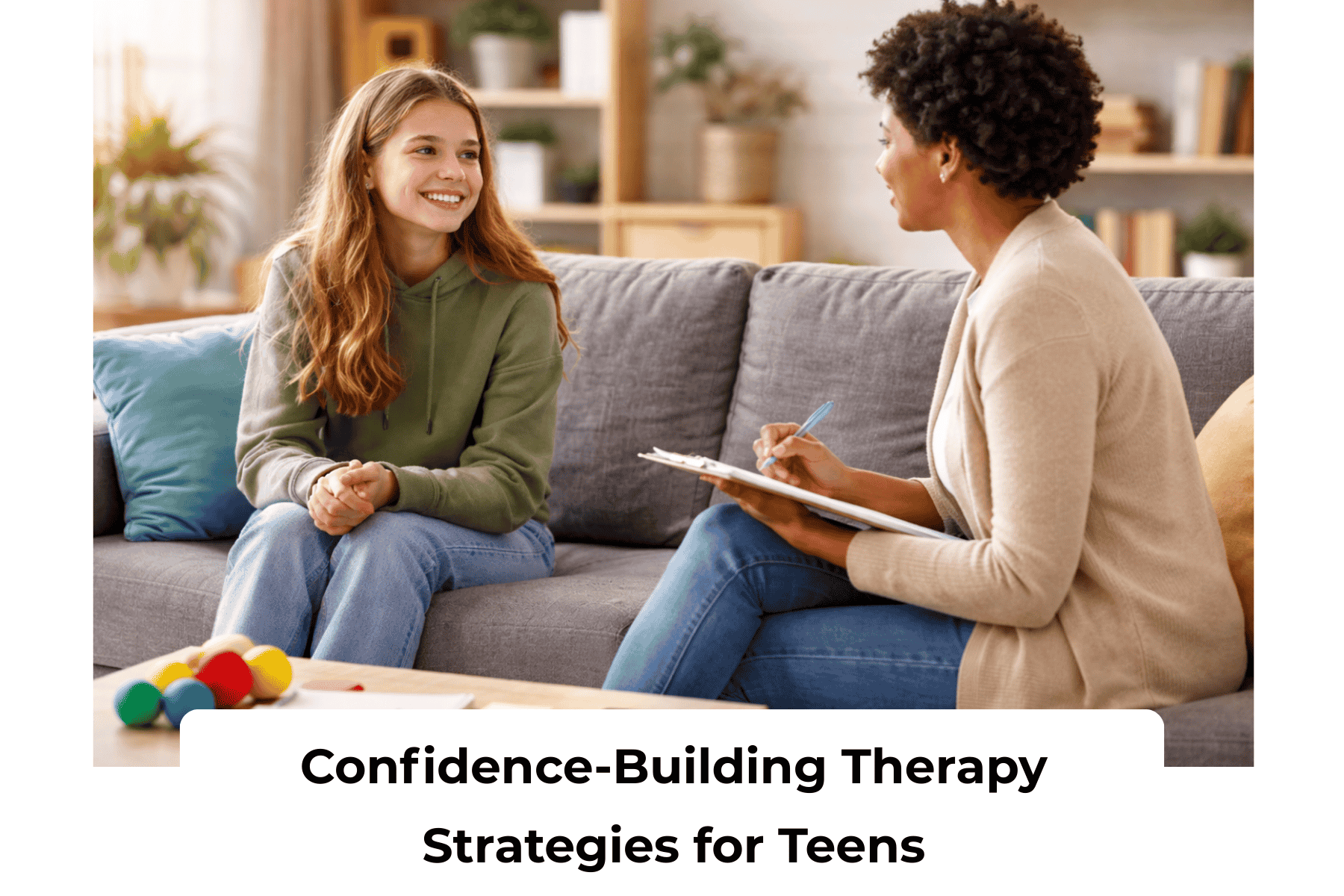
Confidence-Building Therapy Strategies for Teens
Watching your teen doubt themselves can be tough. School, friends, and social media can make confidence rise and fall each day. The good news is that confidence is a skill. It can grow with the right support.
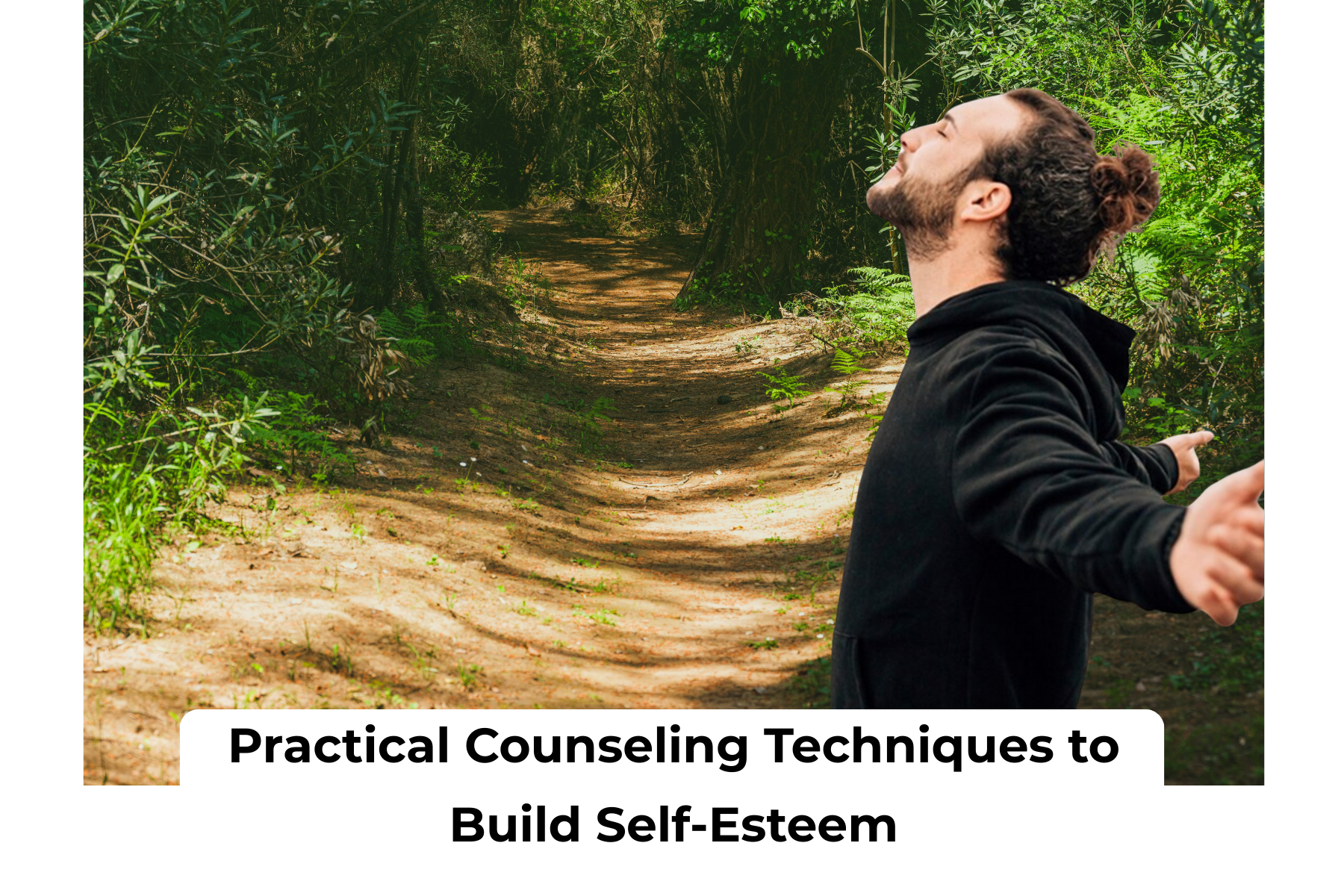
Practical Counseling Techniques to Build Self-Esteem
If you are feeling stuck, small, or unsure of your worth, you are not alone. Many people struggle to see their strengths, even when others can.