Online Family Counseling for Stepfamily Harmony
Blending families is an act of love, but it is not always simple. Online Family Counseling for Stepfamily Harmony offers a safe place to build trust, ease tension, and create new family routines.

In this article 8 sections
Blending families is an act of love, but it is not always simple. Online Family Counseling for Stepfamily Harmony offers a safe place to build trust, ease tension, and create new family routines. If you are hoping for less stress and more connection at home, you are not alone.
Support is available and easier to reach than you might think. Find a licensed therapist near you.
If paying for care is a concern, ways to find therapy support without insurance.
Understanding Online Family Counseling for Stepfamily Harmony
When families come together after divorce, loss, or remarriage, everyone brings their own history and hopes. Online family counseling helps each person feel heard while setting shared goals. Sessions usually happen by secure video, so busy schedules and different homes do not get in the way. You can learn what to expect from sessions and how to prepare by exploring whether online therapy works and what to look for in a platform.
In a blended family, roles can be confusing. Who sets rules? How do you handle discipline across two homes? Counseling helps you define roles with care, not control. Over time, small changes add up. Listening improves. Arguments cool faster. The brain can learn calmer patterns, which is why many families benefit from CBT-based strategies that reduce anxious reactions and improve communication.
Online sessions also remove extra pressure. No rush through traffic. No need to find child care for every meeting. You can join from a quiet room, even if one parent lives in another city. The goal is not to force closeness. It is to build respect, then warmth, and finally real teamwork.
How It Works
- Start with a clear goal: Each parent and child shares one hope for the family, such as smoother mornings or calmer homework time.
- Set the ground rules: The therapist guides a simple plan for listening, no interruptions, and respectful language.
- Map the family: You outline households, schedules, roles, and important traditions from each side.
- Name the stress points: Identify common triggers, like transitions between homes or discipline disagreements.
- Build a shared language: Agree on words and signals to pause during conflict and to praise positive effort.
- Practice skills live: Try short, guided conversations where each person gets time to speak and be heard.
- Create routines: Set predictable schedules for chores, screen time, bedtime, and handoffs between homes.
- Clarify co-parenting: Define what decisions are joint, and how to handle differences without pulling kids into the middle.
- Check progress: Review what helped, what did not, and adjust the plan to fit your family’s needs.
- Plan for the long term: Set milestones, crisis plans, and times to celebrate wins, even small ones.
Who It Helps & Benefits
Online Family Counseling for Stepfamily Harmony supports parents, stepparents, and kids of all ages. It helps when homes have different rules, when new roles feel unclear, or when kids act out under stress. Families often notice more calm at home, better teamwork between adults, and more trust from kids. If your family is also building these foundations, practical blended-family relationship tips can reinforce the work between sessions.
It also helps caregivers who feel stuck between parenting and partnering. Maybe discipline leads to power struggles. Maybe teens resist new routines. Counseling teaches skills to reduce conflict while protecting the parent-child bond. If worry is high, it can help to use fast, practical anxiety coping tools you can do in minutes.
Kids benefit too. They learn that loyalty to one household does not mean disloyalty to another. They also learn words to express big feelings and to ask for what they need. With practice, families shift from blame to problem-solving, and from silence to honest, respectful talk.
Real-Life Example
Meet the Parkers, a blended family with two teens and a 9-year-old. Both parents worked long hours, and handoffs between households were tense. Everyone felt on edge during school nights.
In online counseling, they set one goal: smoother evenings. They practiced short listening turns and agreed on a shared homework plan. The teens helped write the plan, which made them more likely to follow it. When one teen felt low, the therapist showed how support options for mood and motivation can help, including how to find online counseling support for depression.
Within weeks, yelling dropped. Hand-offs felt calmer. The parents also learned to back each other up in front of the kids and to discuss differences in private. These small wins built trust. The family still had tough days, but they had tools and a routine to get back on track.
Myths vs Facts
- Myth: “Love will fix everything fast.”
Fact: Blended families need time, clear roles, and steady routines. - Myth: “Online counseling is not personal.”
Fact: Video sessions can be warm, flexible, and easier to attend. - Myth: “Kids should just adapt.”
Fact: Kids adapt best when adults lead with empathy and consistent limits.
Practical Tools You Can Try
- The three-sentence check-in: One feeling, one fact, one request. Keep it short to avoid spirals.
- Role cards: Write down each adult’s role (coach, comfort, discipline lead). Share with kids so they know what to expect.
- Transition rituals: Create a simple handoff routine (high-five, a joke, a brief plan for the evening) to set a positive tone.
- Pause word: Pick a family word to pause heated talks. Resume after a five-minute cool-down. If everyone is escalated, try a 2-minute breathing reset that quickly calms the body first.
- Praise ratio: Aim for three genuine praises for every correction to keep motivation high.
When to Seek Professional Help
Consider counseling if conflict is frequent, you feel stuck in the same fights, or kids fear handoffs or avoid family time. A therapist can guide you toward workable routines and healthier conversations at a pace that fits your family. If you are ready to take the next step, connect with a licensed family therapist.
Conclusion
Blended families can grow strong roots with the right support. Online Family Counseling for Stepfamily Harmony gives you structure, tools, and a safe place to practice new patterns. You do not have to do this alone, and small changes can make daily life calmer for everyone. Start today and build the steady, loving home you want.
Find a therapist who understands blended families.
Keep reading
More in Family conflicts

Why Choose Therapy for Shared Parenting Success?
Parenting after a breakup or during big changes can feel heavy. Schedules shift. Feelings run high. Little things turn into big fights. Therapy for shared parenting success gives you a steady, neutral space to work together.
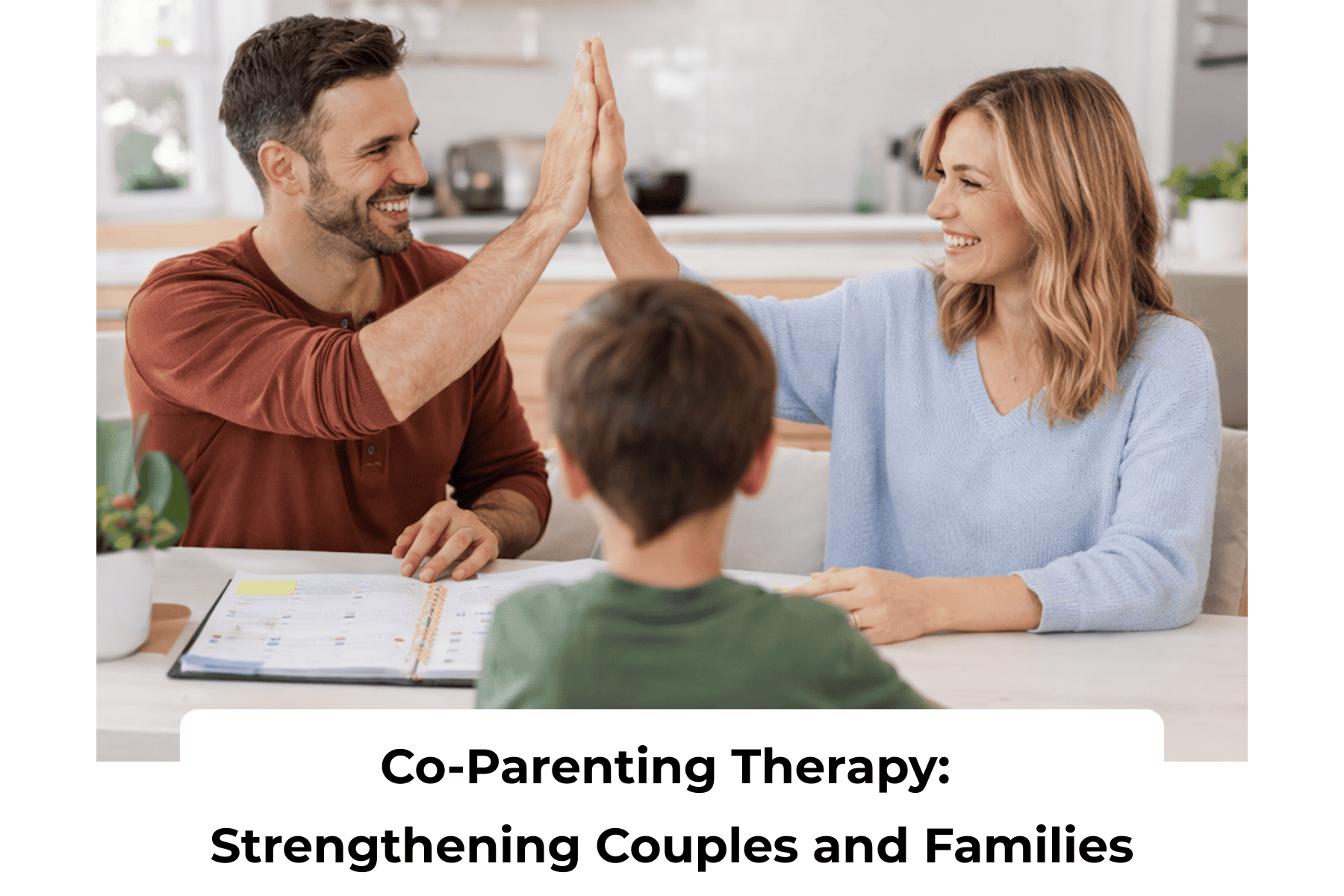
Co-Parenting Therapy: Strengthening Couples and Families
Co-Parenting Therapy can help you and your co-parent work as a team, lower stress, and support your child’s well-being. If arguments about schedules, homework, or house rules keep popping up, you are not alone.

What Is Co-Parenting Therapy for Couples and Families?
Co-parenting therapy for couples and families helps parents work together for their children’s well-being, even when they disagree or live apart.